
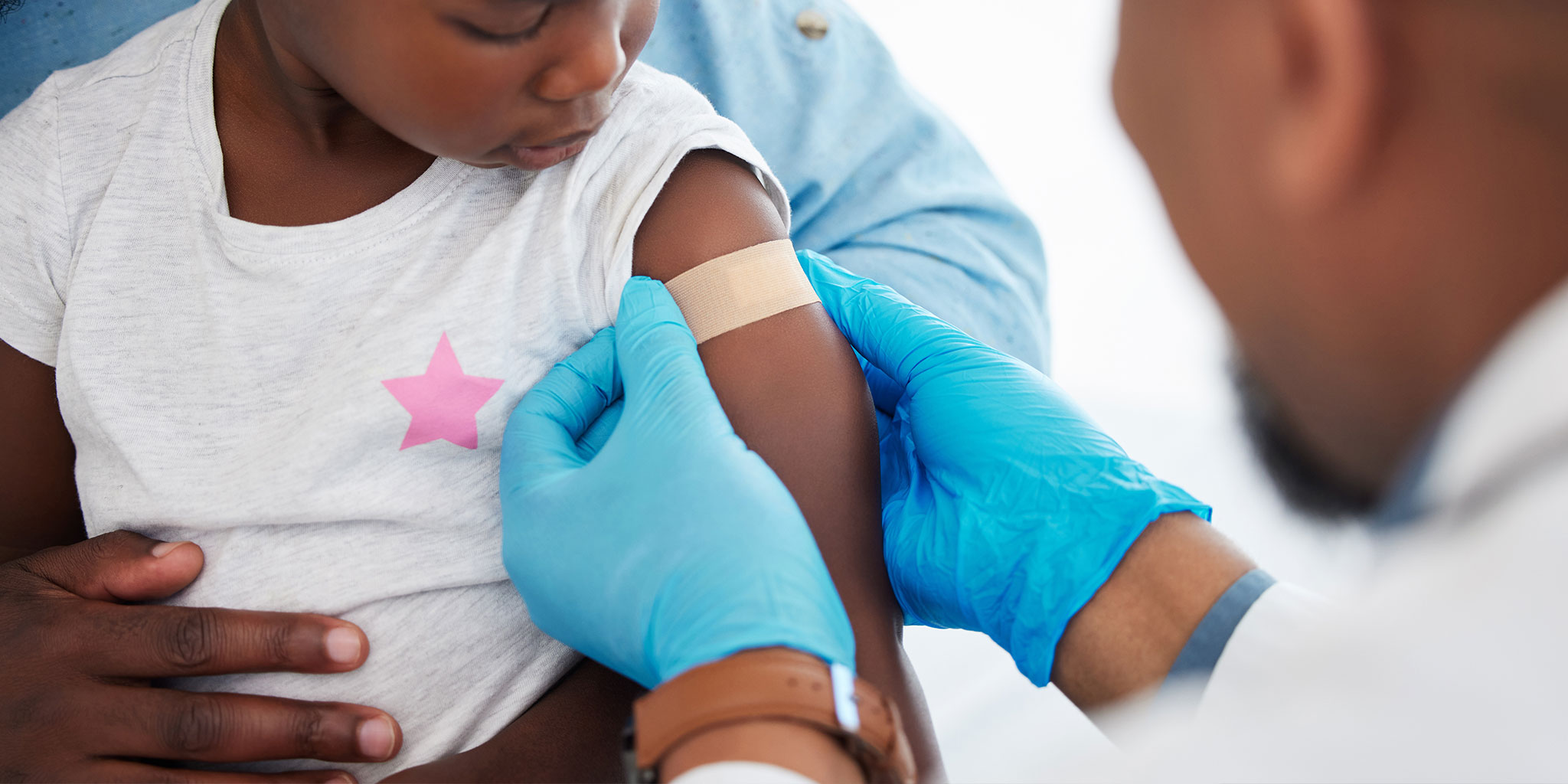
20 Aug SAHPRA Reaffirms the Safety of Routine Childhood Vaccination
20 August 2026 – The South African Health Products Regulatory Authority (SAHPRA) wishes to reaffirm the public that routine childhood vaccines used in South Africa remain safe based on ongoing evidence and monitoring.
SAHPRA continuously monitors the safety and quality of vaccines used in South Africa. Before authorisation, vaccines undergo rigorous regulatory processes to evaluate their safety, quality and efficacy. Following authorisation, their safety continues to be monitored through established vaccine safety surveillance and pharmacovigilance systems. There is currently no scientific evidence that warrants SAHPRA to reconsider its assessment of the safety and effectiveness of routine childhood vaccines.
Vaccines remain among the most effective medical interventions for protecting people against life threatening vaccine-preventable diseases. Their safety and effectiveness are supported by over decades of extensive scientific evidence globally.
The National Department of Health (NDoH), the National Institute for Communicable Diseases (NICD), the World Health Organization (WHO) and public health authorities globally continue to recommend routine childhood vaccination as an effective way to protect children from serious vaccine-preventable diseases. The timing of each vaccination is based on evidence about the age when children are most vulnerable to particular vaccine-preventable diseases. It is therefore important for parents and caregivers to follow the recommended childhood vaccination schedule so that children receive each vaccine at the recommended age. SAHPRA and NDoH urge parents and caregivers to follow the Expanded Programme on Immunisation (EPI-SA) schedule, and encourage them to speak to a healthcare professional if they have any questions.
Most commonly reported adverse events following immunisation (AEFI) are minor, such as mild fever, pain, redness and swelling at the injection site. These minor reactions are expected and indicate a healthy immune response. Members of the public are encouraged to report any suspected AEFI, even if they are unsure whether the vaccine was responsible for the event. These reports provide important safety information that enables SAHPRA to monitor all AEFI and investigate serious events, to assess whether they have been caused by a particular vaccine.
ADVICE TO HEALTHCARE PROFESSIONALS
Healthcare professionals are requested to help address concerns and allay fears among parents and caregivers regarding the safety of childhood vaccines in the EPI-SA schedule. They should provide balanced information on the huge benefits versus the small potential risks associated with vaccination and encourage adherence to the recommended immunisation schedule
ADVICE TO THE PUBLIC
SAHPRA advises parents and caregivers to follow the recommended EPI-SA schedule and to obtain information about vaccines from trusted healthcare professionals and health facilities, including the NDoH, NICD, South African Vaccination and Immunisation Centre (SAVIC), Vaccines for Africa Initiative (VACFA), Wits-ALIVE and the Amayeza Information Services.
REPORT SUSPECTED ADVERSE EVENTS FOLLOWING IMMUNISATION (AEFIs)
Healthcare professionals and members of the public are urged to report any suspected AEFI to SAHPRA. Reporting of AEFI should be made via the treating healthcare professional to ensure all necessary information is captured, which will enable timeous case investigation.
We remain committed to ensuring the safety of medicines available in South Africa and will update the public if there would be developments that affect available scientific evidence.